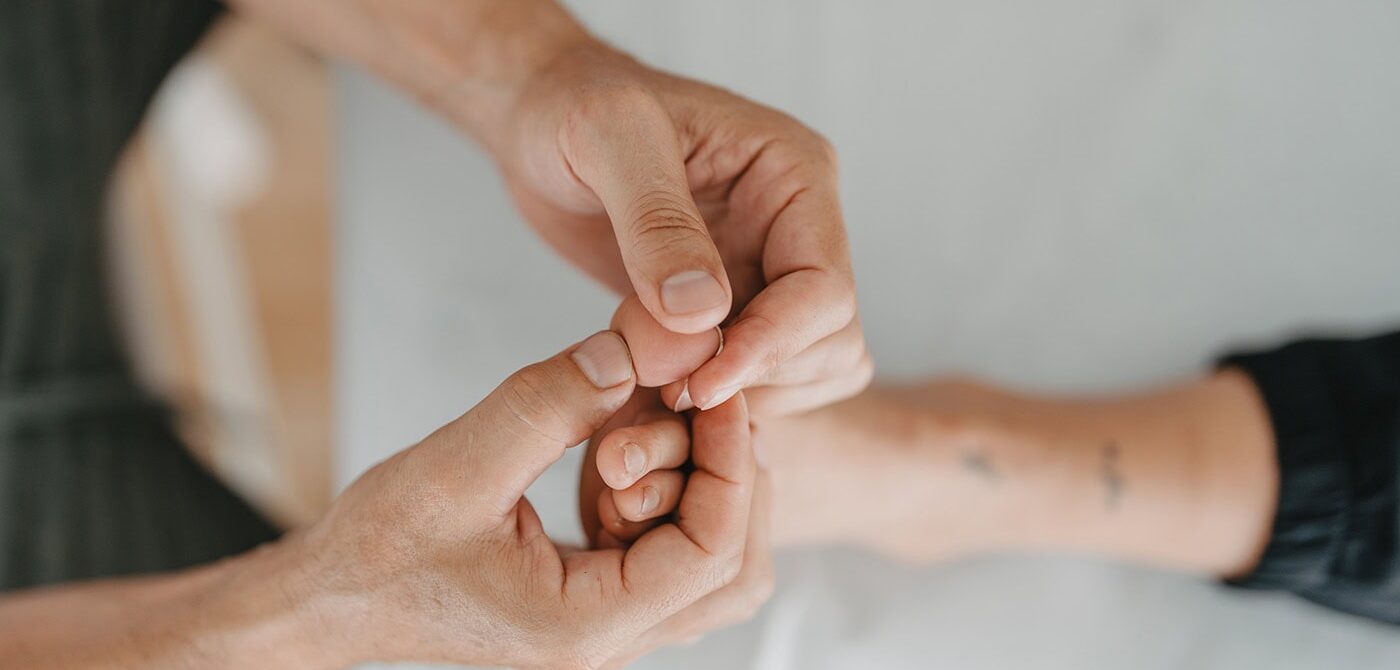
The Reflexology Room South East London explains, What Is the Difference Between Foot Reflexology and a Foot Massage?
The Reflexology Room South East London explains, What Is the Difference Between Foot Reflexology and a Foot Massage?
What is the difference between foot reflexology and a foot massage? This is a question I am frequently asked in my treatment room in Honor Oak Park South East London. While the two may seem similar, they are quite distinct in both purpose and technique. Reflexologists and massage therapists share a strong understanding of anatomy and physiology, but reflexology draws on a very specific and detailed foot map that guides the entire treatment.
Reflexologists see the body mirrored in the feet. Every area of the foot corresponds to a different part of the body, for example:
- The toes relate to the head and sinus region
- The ball of the foot corresponds to the chest
- Other areas link to the digestive, reproductive, nervous, and lymphatic systems
Because of this map, reflexologists can work methodically through sequences designed to support specific systems and symptoms.
A key benefit of reflexology is its ability to target the body holistically.
If a client arrives feeling stressed, for instance, a reflexologist will focus on reflexes that activate the parasympathetic nervous system to encourage deep relaxation. Areas of tension within the body can often be felt on the feet, and spending time on those reflexes may ease tension in the corresponding area.
For clients struggling with sleep, there are dedicated points that can help calm both body and mind. Reflexology also stimulates circulation and encourages the release of endorphins, the body’s natural feel good and pain relief hormones.
After a consultation, a reflexologist tailors the treatment to the client’s needs, taking into account the colour, texture, and sensitivity of the feet. They know when to apply deep pressure, when to use a lighter touch, when to stimulate a reflex, and when to avoid certain areas altogether. Techniques are precise and deliberate, relying on thumb and finger walking rather than rhythmic strokes.
Many of my clients at the Reflexology Room, describe the experience as feeling like they’ve had a massage “from within” receiving both the soothing benefits of massage and the holistic effects of reflexology.
Many clients choose reflexology because only the shoes and socks need to be removed. Some people are uncomfortable undressing for therapies or simply prefer to stay warm and covered, especially in winter. Reflexology offers an effective, accessible alternative.
How Foot Massage Differs
Foot massage focuses on the soft tissues of the foot, muscles, tendons, ligaments, and fascia. It uses rhythmic strokes and kneading to relieve soreness or stiffness to help the body relax. A massage therapist’s primary intention is to release muscle tension and ease pain.
A reflexologist’s intention, however, is to support the body holistically, helping clients relax deeply while addressing underlying symptoms through the reflexes.
Both modalities offer wonderful benefits. Reflexology, however, goes a step further by supporting the body’s internal systems as well as promoting relaxation. In my treatments, I combine reflexology with soothing massage strokes to give clients a comprehensive experience.
Ready to try reflexology in Honor Oak Park, South East London?
Please get in touch with Valerie at the Reflexology Room, Honor Oak Park, South East London. She is a highly experienced fully qualified reflexologist.
website: Welcome to the Reflexology Room Honor Oak Park, London, Contact and prices
Research reflexology verses simple massage: Impact of Foot Reflexology Versus Simple Massage on Vital Signs, Anxiety, and Pain During Blood Transfusion Among Children With Thalassemia – PubMed